What we are doing
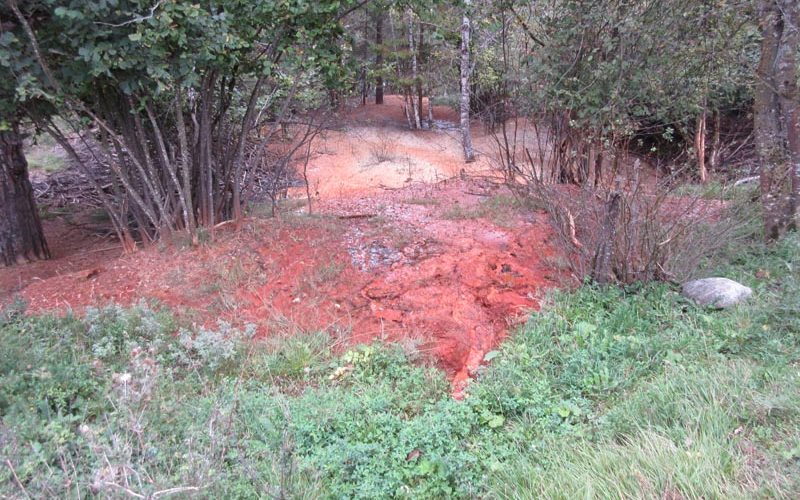
Iron minerals such as magnetite and ferrihydrite can bind metals to their surfaces and lock them in place. We test iron minerals made by microbes (biogenic) and those formed without them (abiogenic). We measure how well they capture critical metals, which are metals vital to modern technology, such as cobalt, zinc and vanadium. We also test how well they capture toxic contaminants such as arsenic, uranium, chromium and cadmium, from drinking water and from mine waters. Alongside minerals, we test iron-based materials such as magnetite-coated sand and biochar modified with iron.
Why it matters
The aim is to develop new ways to recover resources from waste and to improve how polluted water is cleaned up.
How we approach it
We make iron minerals in the lab, including magnetic nanoparticles produced by bacteria and by chemical synthesis. We then measure how much of each metal or contaminant they take up, and under what conditions, both in mixed batches and in flow-through columns that work like small filters. Magnetic particles can be separated from the water with a magnet and, in some cases, reused.
Questions we are asking
- Which iron minerals capture critical metals most selectively from complex mixtures such as mine water?
- Can captured metals be recovered, and can the materials be regenerated and reused?
- How can iron-based materials be made cheaply enough for water treatment where it is needed most?
- Do minerals made by microbes behave differently from those made without them, and why?