What we are doing
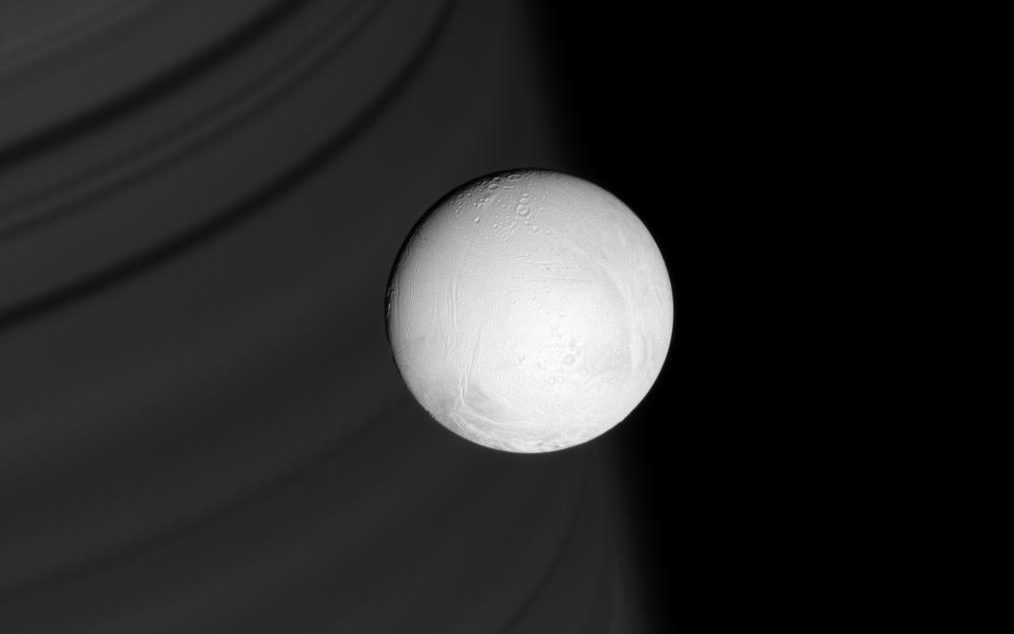
Iron switches between ferrous Fe(II) and ferric Fe(III) as it gains and loses electrons. Microbes can use this switch to gain energy, which makes iron redox chemistry a possible support for life where little else is available. We study it in extreme environments, past and present. These include simulated early Earth oceans, from before oxygen built up in the atmosphere, and the ice-covered ocean of Saturn's moon Enceladus, where we asked whether iron reduction could be a viable way for microbes to gain energy.
Why it matters
We cannot sample the early Earth or the oceans of icy moons directly. Understanding how microbes use iron in these settings helps to explain how life shaped Earth's early oceans and minerals, and where to look for signs of life beyond Earth.
How we approach it
We recreate these environments in the lab, growing iron-metabolising bacteria under conditions that mimic early oceans or other worlds, often without oxygen. We then identify the iron minerals they form, using techniques such as 57Fe Mössbauer spectroscopy, and compare them with minerals formed without microbes.
Questions we are asking
- Could iron reduction provide enough energy to support life in the oceans of icy moons such as Enceladus?
- Which iron minerals record the activity of microbes, and could they be recognised in ancient rocks or on other worlds?
- How did microbial iron cycling shape the chemistry of Earth's early oceans?