What we are doing
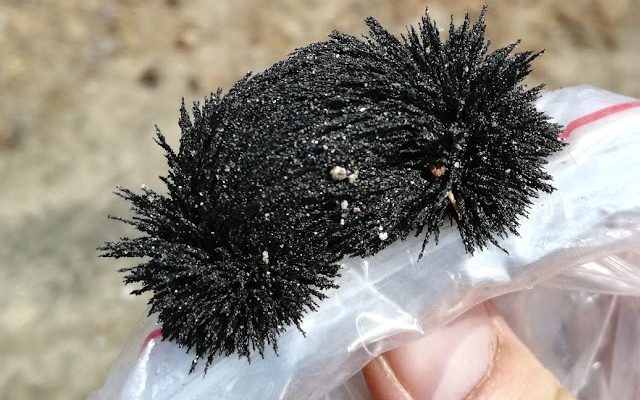
Some bacteria gain energy from iron, and in doing so they produce magnetic minerals. We want to explain how this happens in the environment and how it is linked to climate change. High rainfall creates anoxic conditions, meaning there is little or no oxygen. These conditions suit iron-reducing bacteria, which form magnetite. When rainfall is low, oxygen is present, the bacteria slow down or stop, and little magnetite forms.
Why it matters
As a result, changes in the magnetic properties of soils and sediments can be used as a record of past rainfall in different environments.
How we approach it
We grow iron-reducing bacteria in the lab and characterise the magnetic minerals they form. We compare these with the magnetic minerals found in soils and sediments, using measurements such as magnetic susceptibility at two frequencies, which picks out very fine magnetic particles.
Questions we are asking
- How can magnetic minerals made by microbes be told apart from those formed without them?
- How quickly does the magnetic signal of a soil respond to changes in rainfall?
- How well do magnetic records in soils and sediments preserve past climate over long periods?